




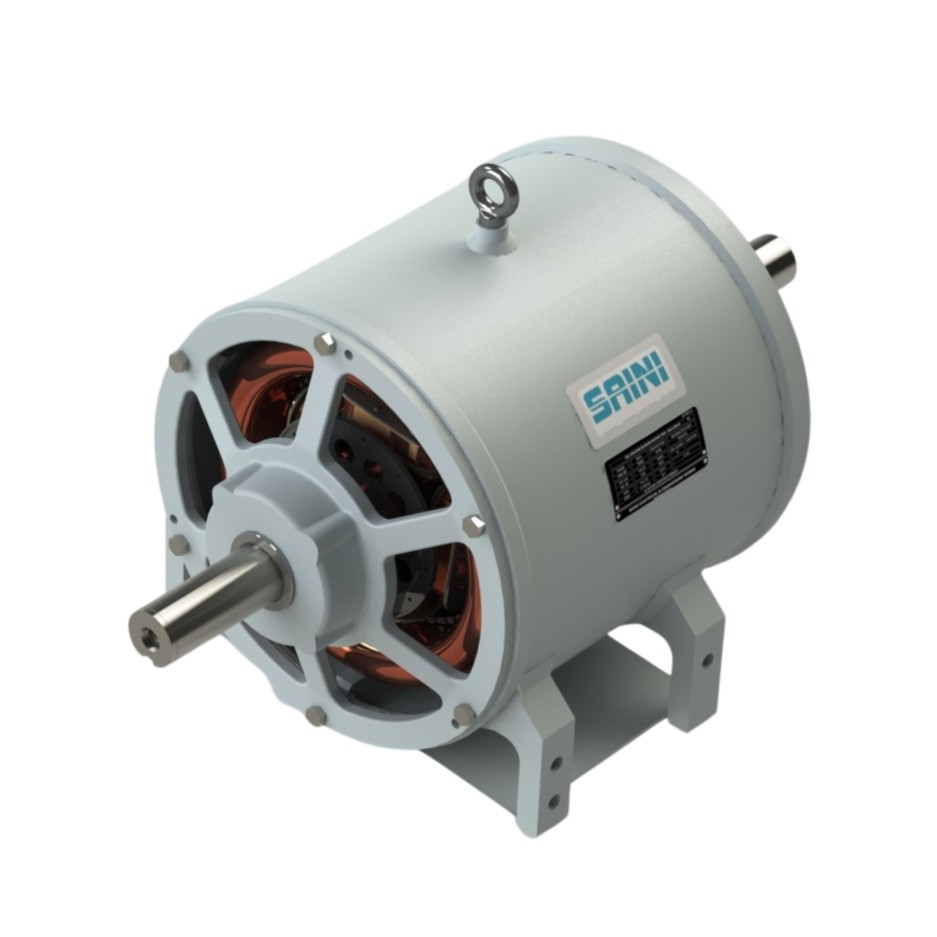


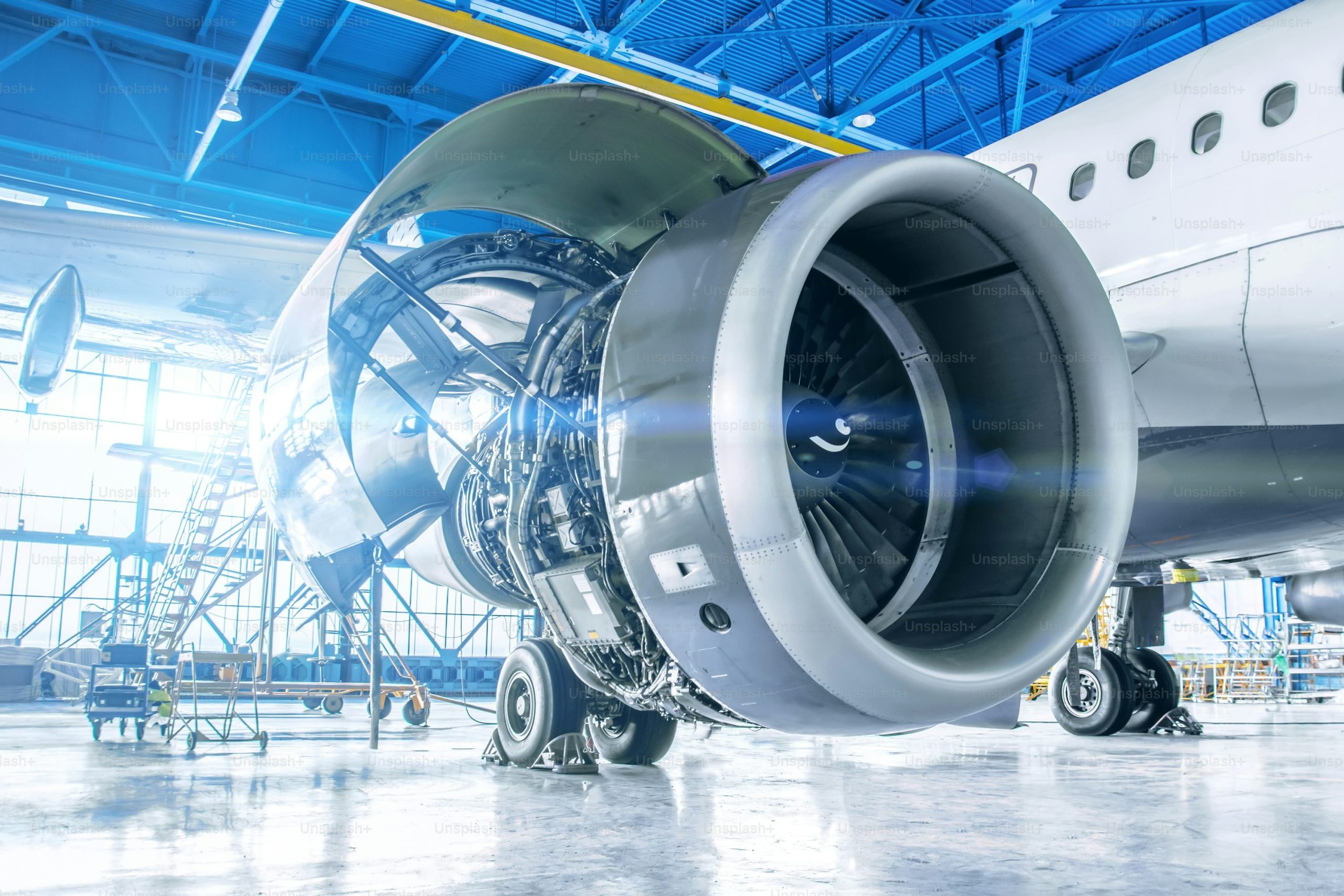
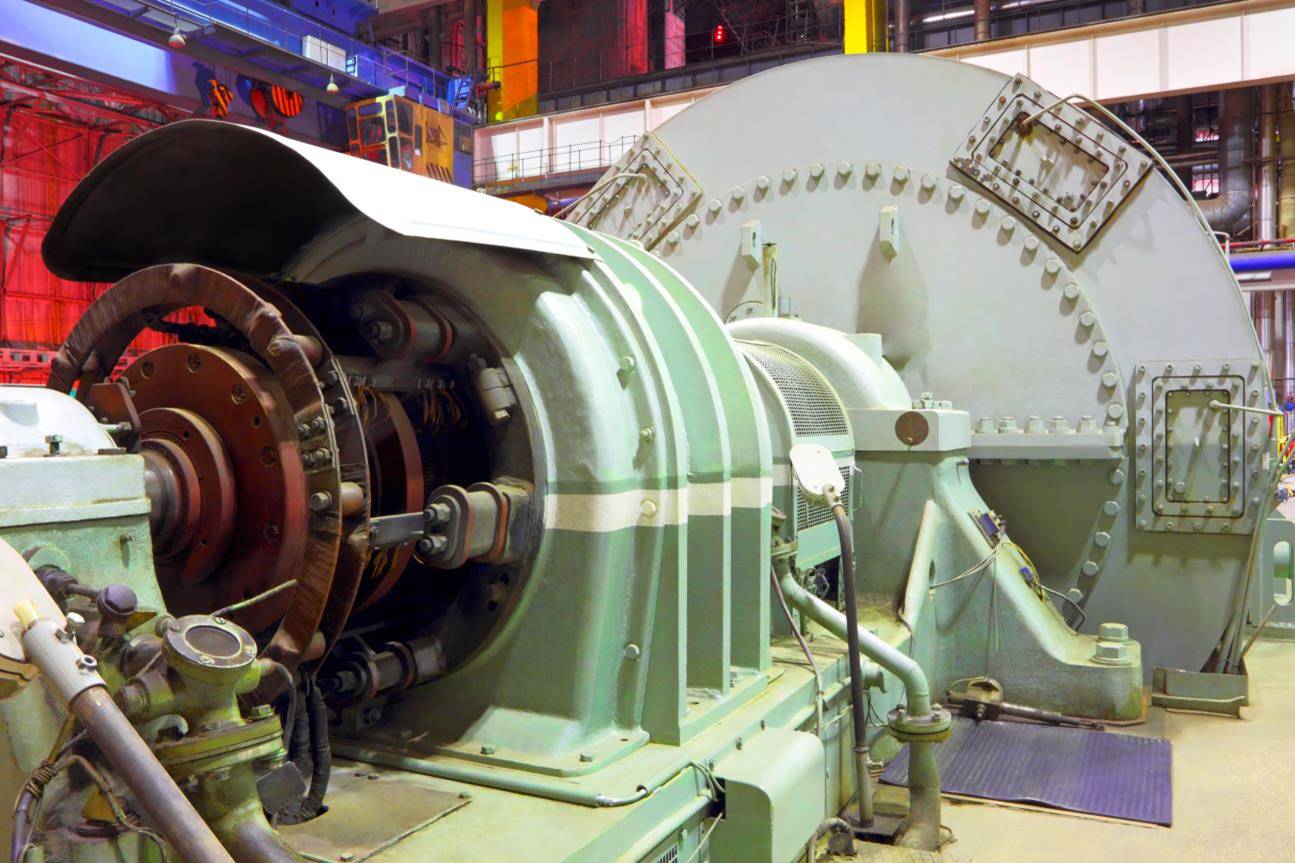


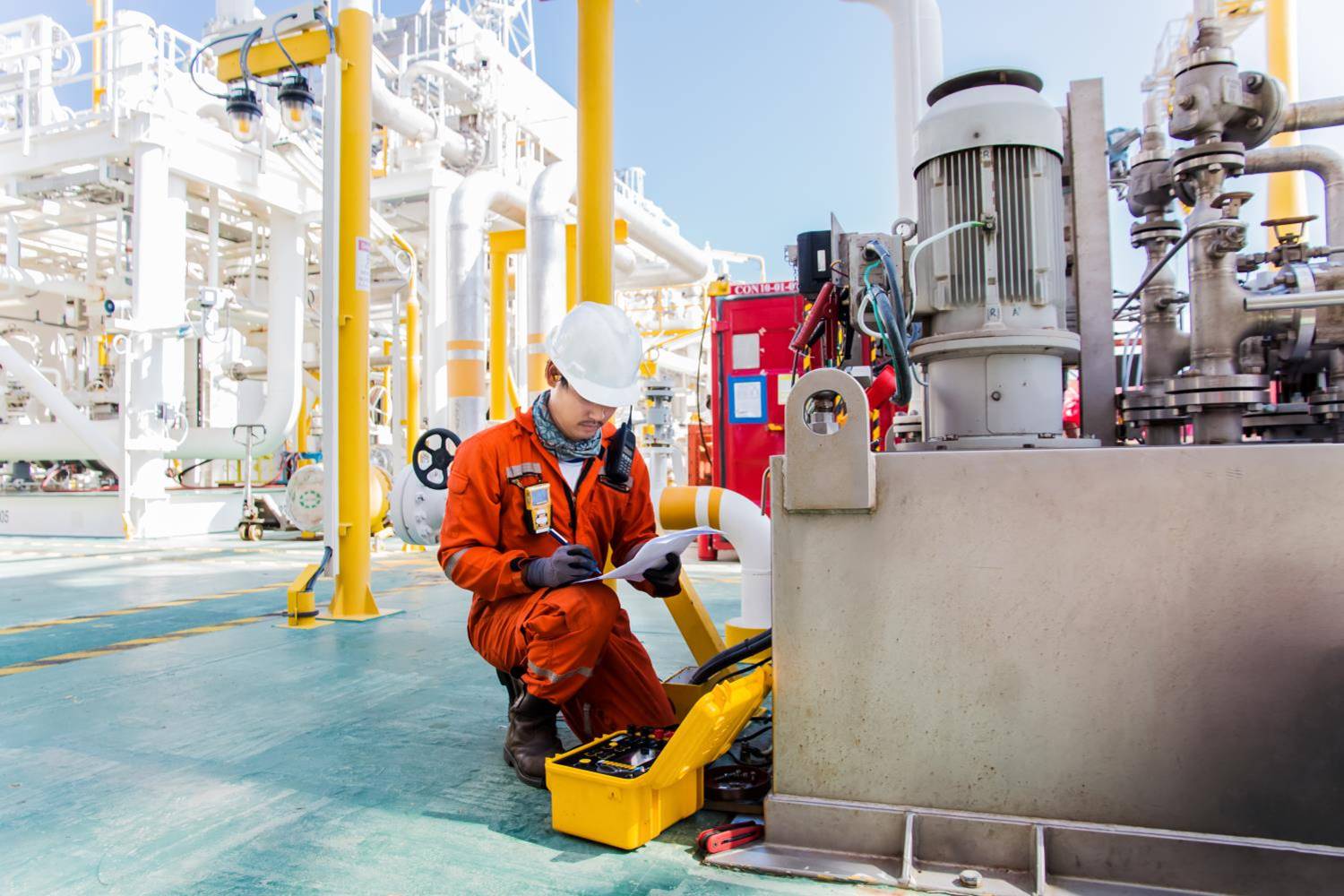


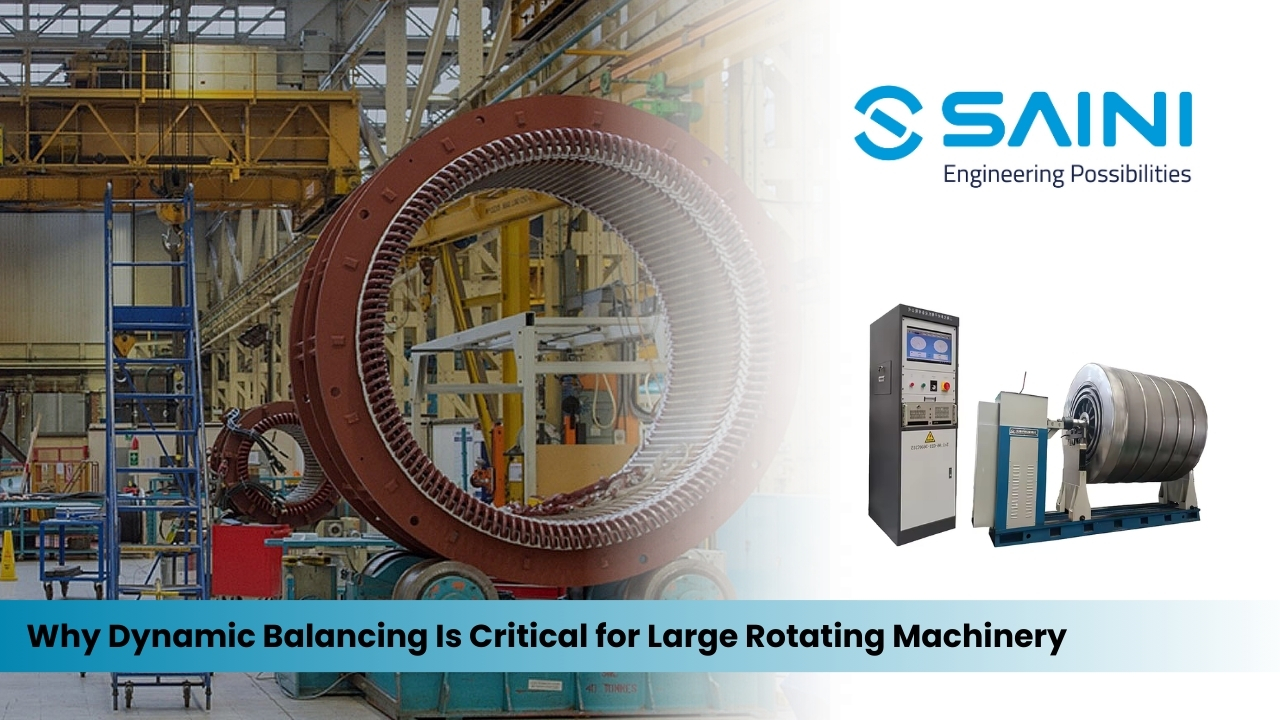
Large rotating machinery plays a vital role in industrial operations, where even minor imbalance can lead to serious mechanical problems. Components such as impellers, rotors, turbines, compressors, and expanders operate under high loads and speeds, making dynamic balancing a critical maintenance and reliability requirement rather than an optional process.
Saini Electrical Engineering Pvt. Ltd. offers static as well as dynamic balancing services for rotating equipment with capacities of up to 15 tons with balancing grades, supporting industries that rely on smooth, vibration-free machinery operation.
Understanding Dynamic Balancing in Large Machinery
Dynamic balancing is the process of correcting mass distribution in rotating equipment while it is in motion. Unlike static balancing, which addresses imbalance in a stationary condition, dynamic balancing identifies and corrects imbalance across multiple planes during rotation.
For large machinery, dynamic balancing must be performed at low speed, at speed, or high speed, depending on the operating conditions. An advanced Industrial balancing machine allows precise measurement of vibration levels and imbalance forces, ensuring accurate correction even for heavy and large-dimension components.
Why Large Rotating Equipment Requires Dynamic Balancing
As the size and weight of rotating equipment increase, the effects of imbalance become more severe. Poorly balanced machinery can result in:
- Excessive vibration and noise
- Premature bearing and shaft failure
- Structural fatigue in foundations and housings
- Reduced operational efficiency
- Increased maintenance and unplanned downtime
Dynamic balancing using a calibrated Industrial balancing machine helps eliminate these risks by ensuring uniform mass distribution.
Applications of Dynamic Balancing
Dynamic balancing is essential for a wide range of heavy rotating components, including:
- Impellers used in pumps and fans
- Rotors in motors and generators
- Turbines operating at high rotational speeds
- Compressors and expanders in process industries
At Saini Electrical Engineering Pvt. Ltd., equipment with diameters up to 2.5 meters and lengths up to 4 meters can be dynamically balanced at the plant, ensuring controlled and accurate correction for large components.
Importance of Speed-Specific Balancing
Balancing requirements vary depending on operating speed. Low-speed imbalance may appear minimal but can become critical at operating or high speeds. Dynamic balancing performed at operating speed using an Industrial balancing machine ensures that vibration behavior under real working conditions is properly addressed.
This approach improves reliability, enhances machine life, and ensures compliance with vibration and safety standards.
Benefits of Dynamic Balancing for Heavy Machinery
Proper dynamic balancing delivers long-term operational benefits, including:
- Reduced vibration and mechanical stress
- Improved bearing and seal life
- Stable operation at rated speeds
- Enhanced equipment reliability
- Lower maintenance and repair costs
For large rotating machinery, these benefits directly translate into improved productivity and operational safety.
Dynamic balancing is critical for large rotating machinery due to the high loads, speeds, and precision required for stable operation. Using a properly calibrated Industrial balancing machine, dynamic balancing corrects real-time imbalance and prevents costly mechanical failures. With in-house facilities for balancing heavy rotating equipment up to 15 tons, Saini Electrical Engineering Pvt. Ltd. provides reliable static and dynamic balancing solutions that help industries maintain smooth, efficient, and dependable machinery performance.


